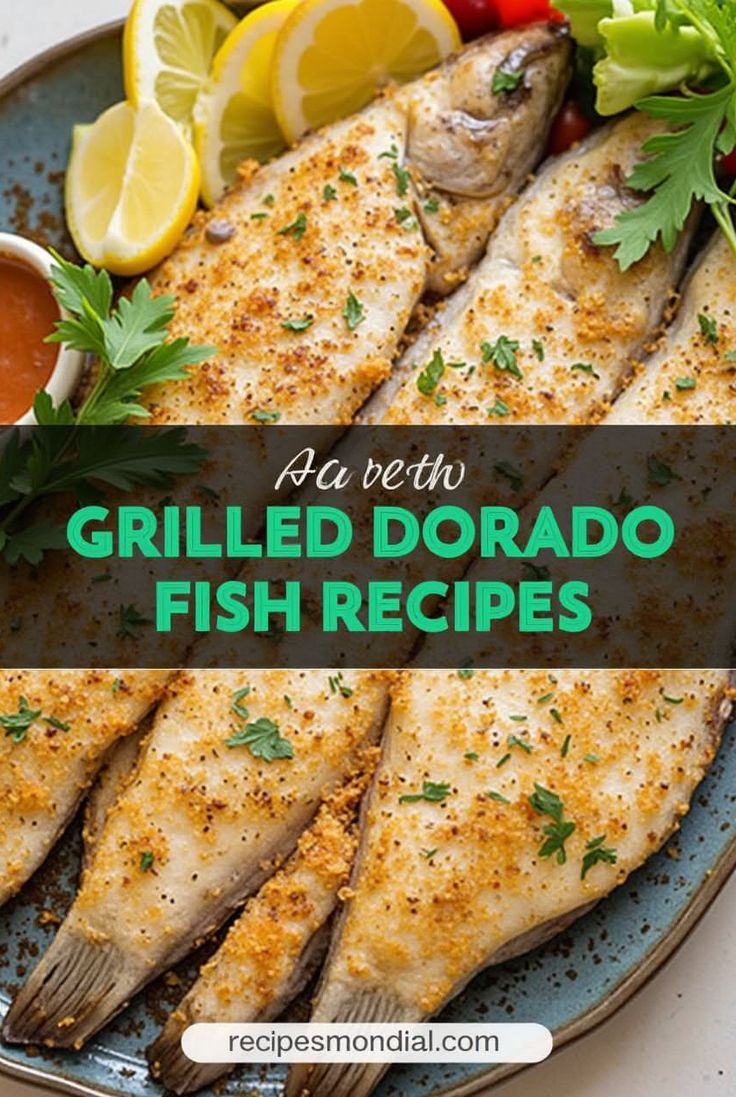
Master Grilled Fish: Techniques for Flaky Perfection Every Time
Grilled fish often evokes images of sun-drenched coastal dinners, light meals, and vibrant flavors. Yet, for many home cooks, the idea of achieving that coveted flaky, juicy perfection on the grill can seem daunting. Visions of fish sticking to the grates or falling apart might lead some to shy away. But what if we told you that mastering
minute grilled fish is less about complicated recipes and more about understanding a few fundamental, reliable techniques?
This comprehensive guide will demystify the art of grilling fish, transforming you into a confident grill master ready to serve up healthy, flavorful meals with minimal fuss. From selecting the right fillet to perfect seasoning and precise cooking, we'll cover everything you need to know to ensure your
grilled fish is always a triumph: beautifully seared on the outside, incredibly flaky and moist on the inside. Get ready to unlock the secrets to truly sensational grilled seafood!
The Foundation of Flaky Perfection: Choosing & Prepping Your Fish
The journey to perfect grilled fish begins long before it hits the grates. The right choice of fish and proper preparation are paramount to success.
Selecting the Ideal Fillet
When it comes to grilling, not all fish are created equal. Delicate, flaky white fish are often the easiest and most forgiving for beginners, though the techniques discussed here can be adapted for various types.
- Mild, White-Fleshed Fish: Varieties like sole, flounder, tilapia, cod, snapper, and even wild-caught redfish are excellent choices. They tend to have a mild flavor profile that pairs well with simple seasonings and cook quickly, making them ideal for a speedy weeknight dinner. Their relatively thin and flat fillets are perfect for direct grilling.
- Firm-Fleshed Fish: For those seeking a bit more robustness, salmon, swordfish, tuna, or mahi-mahi also grill beautifully. These fish have a firmer texture and higher fat content, making them less prone to sticking and more forgiving of slightly longer cooking times.
- Fresh vs. Frozen: Fresh fish is always preferred for its superior texture and flavor. Look for fillets that are firm to the touch, have a clean, ocean-like smell (not "fishy"), and vibrant, clear coloration. However, if fresh isn't an option, high-quality frozen fillets can certainly work. Just ensure they are thawed completely in the refrigerator, then thoroughly drained of any excess liquid. Freezing can sometimes alter the texture, but proper thawing and drying mitigate this.
- Thickness Matters: Opt for fillets of uniform thickness if possible. Thin, flat fillets (around 1/2 to 3/4 inch thick) cook very quickly and evenly, ensuring the entire piece reaches flaky perfection simultaneously. Thicker cuts might require a slightly lower heat or indirect grilling to prevent burning the exterior before the interior is cooked through.
The Critical Step: Patting Dry
This is perhaps the most understated yet crucial step in preparing fish for the grill. Regardless of whether your fish is fresh or thawed from frozen, it will contain surface moisture.
Why it's important:
- Crispy Skin/Sear: Moisture creates steam. If your fish is wet, it will steam rather than sear, preventing the formation of that beautiful, crispy exterior or golden-brown grill marks.
- Prevents Sticking: A dry surface is less likely to adhere to hot grill grates. Think of it like a non-stick pan; the less moisture, the better the release.
- Better Flavor Absorption: Seasonings adhere better to a dry surface, ensuring maximum flavor penetration.
Use paper towels to pat both sides of your fish fillets thoroughly until they are completely dry. Don't be shy – this step makes a significant difference.
Mastering the Grill: Heat, Technique, and Timing for Flaky Perfection
With your fish chosen and prepped, it's time to tackle the grill itself. Grilling fish effectively is a delicate dance of high heat, careful placement, and precise timing.
Preheating is Non-Negotiable
Just like cooking a steak, a screaming hot grill is essential for fish. This creates an immediate sear, helping to prevent sticking and locking in moisture.
- Outdoor Grills: Preheat your gas grill to high (around 450-500°F / 230-260°C) for 10-15 minutes. For charcoal grills, allow the coals to ash over and distribute them for even, high heat.
- Indoor Grills: If using an indoor electric grill (like a George Foreman), preheat according to the manufacturer’s instructions. These grills are fantastic for their speed and even heat distribution, often cooking thin fillets in just 4-5 minutes.
Oil the Fish, Not the Grates (Mostly)
While some swear by oiling the grates, a more reliable method for delicate fish is to oil the fish itself. This ensures direct contact of oil with the fish, creating a protective barrier and helping to release it cleanly.
* Lightly brush or spray both sides of your dried fish fillets with a high-smoke-point oil such as olive oil, avocado oil, or grapeseed oil. This thin layer of oil is all it takes to help achieve a beautiful sear and prevent sticking.
* For an extra layer of protection, you can also lightly oil your *preheated* grill grates using a folded paper towel dipped in oil and held with tongs. Be quick and careful to avoid flare-ups.
The Art of Placement and the Delicate Flip
When placing the fish on the grill, aim for even spacing and avoid overcrowding, which can lower the grill temperature.
- Initial Sear: Place the fish fillets directly over the hottest part of the grill. You should hear a satisfying sizzle immediately.
- Resist the Urge to Flip Early: This is crucial! Let the fish cook undisturbed for 2-4 minutes, depending on its thickness. The fish needs time to develop a good crust, which will naturally release it from the grates. If you try to flip too soon, it will stick and tear. You'll know it's ready to flip when the edges of the fish start to look opaque and the bottom develops golden-brown grill marks.
- The Gentle Flip: Use a thin, wide metal spatula (a fish spatula is ideal) to gently slide under the entire fillet. If it doesn't release easily, give it another 30 seconds to a minute before trying again. Flip the fish gently and cook for another 2-4 minutes on the second side. For more tips on selecting and grilling various white fish, check out our guide on Grill Any White Fish: A Healthy & Flavorful Method.
Knowing When It's Done
Overcooked fish is dry and tough; perfectly cooked fish is moist and flaky.
*
Visual Cues: The fish should turn opaque throughout. For thin fillets, this happens surprisingly fast.
*
Flake Test: The most reliable method is to gently insert a fork or the tip of a knife into the thickest part of the fillet. If the fish flakes easily along its natural lines and is no longer translucent in the center, it's done. Don't overcook!
*
Internal Temperature: For absolute precision, a meat thermometer inserted into the thickest part should register 145°F (63°C).
Flavor Unleashed: Seasoning & Marination Strategies
The beauty of grilled fish often lies in its simplicity, allowing the natural flavors of the seafood to shine. However, a well-chosen seasoning or marinade can elevate it to extraordinary levels.
Simple Seasoning: Less Is Often More
For a quick and effortless meal, simple seasonings are often all you need. This approach highlights the inherent deliciousness of the fish.
- Basic Blend: A generous sprinkle of kosher salt and freshly ground black pepper is always a fantastic starting point.
- Herbs & Spices: Enhance with dried dill, parsley, thyme, oregano, or a touch of garlic powder and onion powder. For a classic American flair, a dash of Old Bay seasoning is unbeatable.
- Citrus Zest: Fresh lemon or lime zest adds a bright, aromatic punch that complements seafood perfectly.
Apply your chosen seasonings evenly to both sides of the oiled fish fillets just before grilling.
Elevating Flavor with Marinades
Marinades offer a deeper infusion of flavor and can help tenderize fish, though delicate fish only needs a short marinating time (15-30 minutes max) to avoid "cooking" the fish with acids.
*
Acidic Base: Lemon juice, lime juice, or a mild vinegar are excellent for adding a fresh, zesty kick and helping to remove any subtle "fishy" undertones.
*
Aromatics: Freshly minced garlic and ginger are powerhouses of flavor. They can transform a simple fillet into something truly exotic.
*
Herbs & Spices: Fresh herbs like cilantro, parsley, basil, or chives can be chopped and added. A pinch of chili flakes or finely diced fresh chilies will provide a subtle warmth and zing.
*
Oil Base: A good quality olive oil forms the base of most marinades, helping to carry the flavors and ensure a moist final product.
Example Marinade Idea: Whisk together olive oil, lemon juice, minced garlic, fresh dill, a pinch of salt, and a grind of black pepper. Marinate your fish for 15-20 minutes, then pat dry before grilling. This ensures the fish gets flavor without excess moisture on the grill.
Beyond the Grill: Serving & Sides
Once your grilled fish reaches that perfect flaky state, a few final touches and thoughtful accompaniments will complete your meal.
The Importance of Resting (Briefly)
Unlike red meats that benefit from a long rest, fish only needs a very brief moment to redistribute its juices – perhaps 1-2 minutes off the grill. This short pause helps the fish remain juicy and tender.
Sensational Side Pairings
Grilled fish is incredibly versatile, pairing beautifully with a wide array of side dishes. The key is to choose accompaniments that complement its light, fresh character without overpowering it.
- Steamed or Roasted Vegetables: Classic choices like steamed broccoli, green beans, or asparagus are quick, healthy, and allow the fish to shine. Roasted asparagus with a drizzle of lemon and garlic or pan-fried Parmesan zucchini offer a richer texture.
- Light Salads: A crisp green salad with a vinaigrette, a vibrant quinoa salad, or a refreshing cucumber and tomato salad provides a wonderful contrast.
- Grains: A simple lemon-herb couscous, a light rice pilaf, or even a forbidden rice salad can be excellent foundations for your meal.
- Fruity Accents: For a refreshing finish, consider a light fruit parfait with peaches and blueberries, or even a fresh mango or pineapple salsa served directly alongside the fish for a tropical twist.
The goal is a meal that feels both wholesome and satisfying, a perfect balance of lean protein and fresh produce, making healthy eating effortlessly delicious.
Conclusion
Grilling fish to flaky perfection doesn't have to be a culinary challenge. By understanding the importance of proper fish selection and preparation, mastering high-heat grilling techniques, and employing smart seasoning strategies, you can consistently achieve incredibly delicious results. Remember to pat your fish dry, preheat your grill, oil your fillets, and resist the urge to flip too soon. These simple yet powerful techniques will transform your grilling game, allowing you to serve up healthy, flavorful
grilled fish that is tender, juicy, and effortlessly elegant every time. So fire up your grill and enjoy the rewarding experience of perfectly cooked fish!